
Sustainable Engineering & Waste Solutions
  • About
  • Services
    • Solutions for Air Pollution
    • Solutions for Climate Change
    • Fruit and Vegetable Waste Management
    • Glass Waste Management
    • Global Sanitation & sustainability Project
    • Sustainable Housing Solutions
    • Water Management Solutions
    • Flower Waste Management
    • Plastic Waste Management
    • Solar Energy Solutions
    • Wind Energy Solutions
    • Water Energy Solutions
  • Sectors
    • Sustainable Agriculture Solutions
    • Sustainable Residential Solutions
    • Sustainable Commercial Solutions
    • Sustainable Industrial Solutions
  • Consultation
  • Internship
  • Contact Us
  • Blog
  • About
  • Services
    • Solutions for Air Pollution
    • Solutions for Climate Change
    • Fruit and Vegetable Waste Management
    • Glass Waste Management
    • Global Sanitation & sustainability Project
    • Sustainable Housing Solutions
    • Water Management Solutions
    • Flower Waste Management
    • Plastic Waste Management
    • Solar Energy Solutions
    • Wind Energy Solutions
    • Water Energy Solutions
  • Sectors
    • Sustainable Agriculture Solutions
    • Sustainable Residential Solutions
    • Sustainable Commercial Solutions
    • Sustainable Industrial Solutions
  • Consultation
  • Internship
  • Contact Us
  • Blog

The cost-effectiveness of wind energy: An affordable and expanding power source

7/23/2023

 
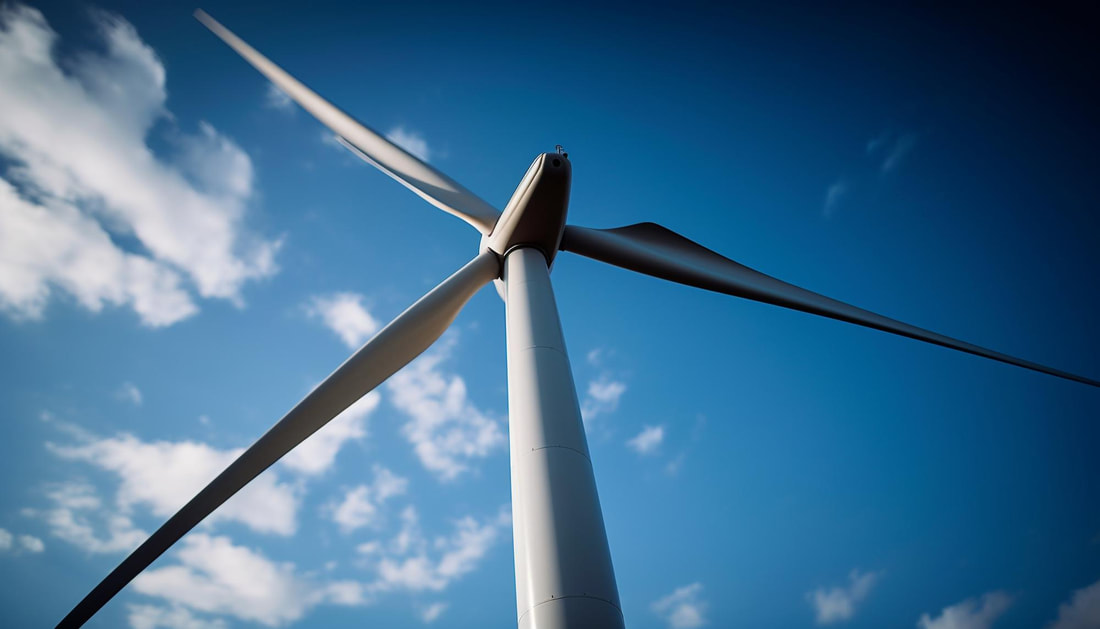
Picture
The demand for renewable energy sources has increased steadily over the years, and wind energy has emerged as one of the most affordable and sustainable options. The U.S. Department of Energy (DOE) recently released its annual Wind Technologies Market Report, highlighting the wind energy sector's significant advancements and cost reductions. In this article, we will explore the report's key findings, shedding light on why wind energy is affordable and poised to become even cheaper in the future.

1. The Growing Importance of Wind EnergyClick To Add Text

As concerns about climate change and environmental sustainability continue to rise, the need for clean and renewable energy sources has become paramount. Wind energy has emerged as a frontrunner in the renewable energy landscape due to its abundance, scalability, and cost-effectiveness. The latest Wind Technologies Market Report by the DOE provides insights into wind energy's current state and prospects in the United States.

2. Wind Energy Is One of the Cheapest Sources of Electricity in the United States

The report highlights that wind energy is now one of the most affordable sources of electricity in the United States. The cost of wind energy depends on various factors, including wind speeds and the location of wind farms. However, the national trends in the installed cost of wind energy demonstrate its competitiveness in the energy market.

The average consumer in the United States pays around 12 cents per kilowatt-hour for electricity. This price includes the cost of generating power, transmission, and the operation of utility businesses. The actual cost of electricity generation alone ranges from 2 to 4 cents per kilowatt-hour. Wind energy has successfully positioned itself to compete with these prices.

Wind energy is often procured through long-term power purchase agreements (PPAs). The report showcases the historical price of wind energy PPA contracts, revealing a consistent trend of wind energy prices aligning with or falling below the market rate for electricity. In recent years, wind energy has been contracted at prices as low as 2 cents per kilowatt-hour.

It's important to note that the prices mentioned above include subsidies such as the federal wind production tax credit. Even when excluding the effect of these subsidies, wind energy remains highly competitive, with a levelised cost of energy (LCOE) of less than 5 cents per kilowatt-hour. The LCOE of a best-in-class combined cycle natural gas power plant is around 5.4 cents per kilowatt-hour. Wind energy's cost competitiveness positions it as a viable alternative to traditional fossil fuel-based electricity generation.
Picture

3. Competition Is Driving Wind to Be Cheaper, Bigger, and Better

The increasing competitiveness of wind energy is driving the industry to innovate and continually improve wind turbines' performance. The report reveals that wind turbines deployed in recent years have witnessed significant advancements in design and technology.

The latest wind turbines feature larger diameter rotors, allowing them to capture more wind and generate higher power output. Moreover, the turbines are built with taller hub heights to harness more consistent and stronger winds at higher altitudes. These improvements have substantially increased the average generating capacity of newly installed wind turbines in the United States.
​
Furthermore, the advancements in wind turbine design have led to higher capacity factors, indicating the percentage of energy produced compared to the maximum potential output. Wind farms installed in 2014 and 2015 exhibited an average capacity of over 40%. This means that these wind farms consistently produced 40% of the maximum energy they could generate, even considering variations in wind speed. The improved capacity factors further enhance the cost-effectiveness and reliability of wind energy.

4. What About Integration Costs Associated with Wind Variability?

One of the common concerns associated with wind energy is its variability, as wind speeds fluctuate over time. Critics argue that integrating variable energy sources like wind into the grid can be challenging and expensive. However, the report suggests that the costs of integrating wind energy depend on various factors and cannot be generalised.

The figure presented in the report depicts the changes in wind penetration rates and wind curtailment rates across different U.S. independent system operators (ISOs). Despite the increase in wind penetration, the curtailment rates have decreased. This indicates that grid operators have successfully managed and integrated wind energy effectively.

The reduction in wind curtailment can be attributed to investments in large-scale transmission lines, enabling the efficient transmission of wind power from wind-rich areas to population centres. These transmission investments, although significant, have helped balance wind power output with demand and mitigate curtailment. The costs of these transmission upgrades are spread across the customer base, ensuring a relatively modest cost per customer.

As the wind energy sector grows, grid operators, policymakers, and regulators must remain proactive in developing new transmission infrastructure and grid upgrades. These investments are crucial to accommodating the increasing number of wind turbines and ensuring seamless integration with the existing grid infrastructure. Identifying the most cost-effective solutions for integrating renewable energy sources is a complex task but essential for realising the full potential of wind energy.

In conclusion, wind energy has emerged as one of the cheapest sources of electricity in the United States. It's competitive pricing, coupled with advancements in turbine design and performance, positions wind energy as a viable and sustainable alternative to traditional fossil fuel-based generation. With further investments in transmission infrastructure and grid upgrades, wind energy will continue to grow and contribute significantly to the U.S. electricity supply, paving the way for a cleaner and more sustainable future.
​
Are you ready to harness the power of wind energy? Discover the sustainable future with SEWS-Global's innovative Wind Energy Solutions. Take the first step towards a greener tomorrow. Contact us now!

Comments are closed.

    Author

    Write something about yourself. No need to be fancy, just an overview.

    Archives

    July 2023

    Categories

    All

    RSS Feed

Picture
Empowering Sustainable Solutions for a Better Tomorrow.​

General Inquiries

Email: [email protected]
Phone: 03 9333 6550
Address:
GPO Box 5204 Melbourne 3001 VIC Australia

Navigate

About
Consultation
Internship
Contact

We acknowledge and pay our respects to the Wurundjeri people of the Kulin Nation, as the Elders and Traditional Owners
of the land on which our head office is located, and recognise their continuing connection to Country and community.
We also acknowledge and pay our respects to the Elders and Traditional Owners of the land on which our Canberra office stands.
© SEWS-Global Pty Ltd 2019-2021 | All Rights Reserved | ABN 84 635 905 298 | ACN 635 905 298
Picture
A problem shared is a problem halved - and solved.
We look forward to working with you!

Contact

Email: [email protected]
Phone: +61 (0) 3 9333 6550
Address: Level 40, 140 William Street, Melbourne 3000 VIC Australia

Social Network

Stay in touch with our team on the social networks.


We acknowledge and pay our respects to the Wurundjeri people of the Kulin Nation, as the Elders and Traditional Owners
of the land on which our head office is located, and recognise their continuing connection to Country and community.
We also acknowledge and pay our respects to the Elders and Traditional Owners of the land on which our Canberra office stands.
© SEWS-Global Pty Ltd 2019-2021 | All Rights Reserved | ABN 84 635 905 298 | ACN 635 905 298